


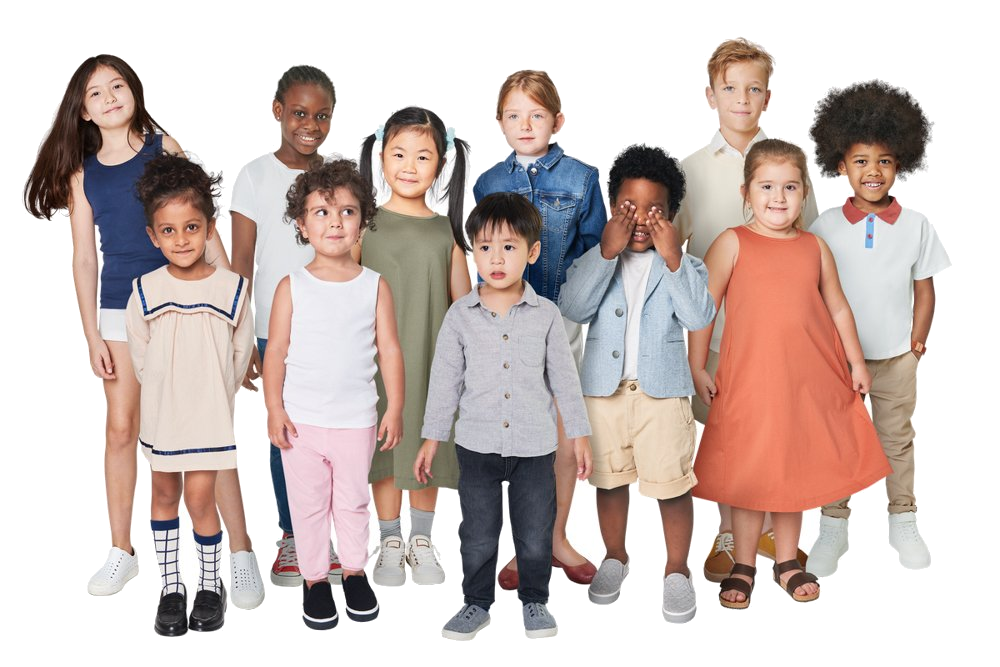
A personal symbol.
Stay with the image for a moment. What does it bring to mind?

Four ways of seeing. Choose your perspective.
“You don't have to be a superhero to change the world. Sometimes all it takes is a small act of kindness, compassion or courage.”
Let the image shift. Stay with the words. What changes in your reading?
For over 10 years, I have been the director of 100% for the Children, where we work with vulnerable and marginalized children and youth in Ghana and Kenya in relation to: 1) Access to education; 2) Child protection; and 3) Reproductive health for young women in the Global South. Background: Street children cannot go home and close the door behind them. They live with a premise that most of us are liberated from: always being the target of others’ eyes. Yet they are rarely ‘seen’ or heard. Children and young people living on the streets, in markets, at a bus station, in a landfill and in simple shacks are poor, many of them have only the most basic or no schooling, the majority have lost at least one parent or have been kicked out of their homes. But the vast majority see themselves as capable people with resources, skills, ambitions and strong values. They don’t see themselves as helpless victims, even though they are often portrayed as such. I want 100% for the Children to help change the limiting and preconceived narrative about children and young people in marginalized situations and show them as they see themselves and as they would like the world to see them and acknowledge them. Message: To me, an inclusive narrative is an essential foundation for a society where all voices and perspectives are valued and respected. As it recognizes that diversity in all its forms – such as cultural background, age, gender, sexual orientation and experiences – enriches our society and allows us to learn from each other. It’s about creating a shared narrative that is inclusive and allows for a wide range of experiences and viewpoints. The voices of children and young people are particularly important as they are the leaders and decision-makers of the future. Including children and young people in the conversation and decision-making processes ensures that their perspectives, needs and concerns are taken into account. This not only creates a more equitable and inclusive future, but also a stronger intergenerational cohesion.
Look, listen, change perspective. There is more than one way into a story.
Stay with the image for a moment. What does it bring to mind?
Two colours. A different atmosphere. Choose one and look again.
Listen while you give her story a little more time.
Music is part of her story.
Choose a colour above. Give it a word below. Then reverse the colours. Does your reading change?
You do not need the right answer. Only an honest one for yourself.
Your words stay in this browser. They are never sent to us.
Three more voices from the exhibition. Which story makes you curious?


